
An Integrated Pest Management (IPM) program is essential for any food facility committed to producing safe and compliant products. Insects, rodents, and birds can introduce serious contamination risks, making it critical to minimize their presence and impact at all times.
IPM is a comprehensive approach to managing pest populations through a combination of strategies aimed at reducing pests to acceptable levels while maintaining environmental quality. This approach relies on understanding the biology and behavior of specific pests to identify how they enter facilities, what conditions support their survival, and how they reproduce.
Effective IPM programs are tailored to each facility and situation. There is no single solution that works for all environments. Each pest issue is shaped by unique conditions, and successful management depends on analyzing these factors and applying appropriate, targeted strategies.
A well-managed IPM program typically includes the following core elements:
- Understanding pest biology and behavior
- Applying problem-solving techniques such as the ICE principle
- Managing environmental conditions through prerequisite programs
- Implementing effective monitoring systems
- Collecting data and analyzing trends
- Training and educating employees
- Using pesticides only when necessary and in a controlled manner
The ICE Principle
The ICE principle is a structured problem-solving method used in food facilities:
- I – Identify, Introduce, Intensify: Identify the pest and contributing factors, understand how the issue developed, and assess the severity
- C – Control: Apply measures to manage and reduce the pest population
- E – Eliminate: Remove the root causes to prevent recurrence
This systematic approach supports long-term pest prevention and strengthens overall food safety practices.
Identify, Introduce, Intensify
A thorough inspection of the entire facility—both inside and out—is essential to determine whether a pest population is present and to assess its potential impact on product integrity. By applying knowledge of pest biology and behavior, it becomes possible to evaluate the severity of an infestation and identify likely entry points, such as doors, windows, and structural gaps.
It is important to recognize that not all pests originate from incoming ingredients. Many, including stored product insects and rodents, may come from outside the facility. Expanding the scope of investigation beyond raw materials allows for a more accurate understanding of the problem and supports more effective control strategies.
Control
Once a pest issue has been identified, immediate actions must be taken to prevent potential contamination of food products. These short-term corrective measures are critical for risk reduction; however, they should be viewed as temporary solutions rather than complete fixes.
Eliminate
The objective of this step is to implement long-term corrective actions that prevent recurrence. This often involves identifying and modifying gaps in existing programs or procedures. For example, the presence of flour residues and insect activity typically indicates a breakdown in sanitation or process controls. Simply cleaning the area will not resolve the issue unless the underlying cause is identified and addressed. This principle applies to all pest management situations—sustainable solutions depend on eliminating root causes.
Monitoring
Both active and passive monitoring systems are essential components of an effective Integrated Pest Management program.
Active monitoring includes routine inspections and internal audits, which provide a real-time snapshot of facility conditions. These assessments enable teams to identify pest activity, take corrective actions, and begin addressing root causes.
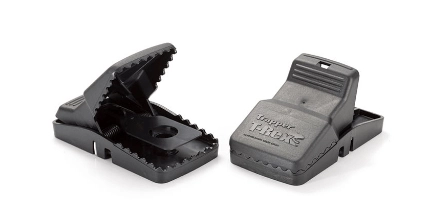
However, active monitoring only reflects conditions at a specific moment in time. To complement this, passive monitoring systems—such as mechanical rodent control devices, pheromone traps, glue boards, and insect light traps—should be deployed throughout the facility. These tools continuously collect data over extended periods, offering valuable insights into pest activity patterns even when personnel are not present.
Using Monitoring Data Effectively
The effectiveness of monitoring devices depends not only on proper placement but also on correctly interpreting the information they provide. For example, analyzing the age and sex of mice captured on glue boards can reveal valuable insights about a population. The presence of young males suggests an expanding population, as they tend to explore new territories. Similarly, capturing pregnant females indicates active reproduction. Under normal conditions, a 1:1 male-to-female ratio is expected; deviations from this may suggest that females are nesting nearby, particularly if they have recently given birth and remain close to their young.
A similar principle applies to insect light traps. The key insight is not just the number of insects captured, but the species. Large numbers of outdoor flying insects may indicate structural vulnerabilities, such as open doors or building defects. In contrast, the presence of stored product insects often signals an infestation within the facility, likely originating from nearby materials or ingredients.
Trending
Analyzing data collected through monitoring systems is a critical component of an effective IPM program. Data collection alone has limited value unless it is regularly reviewed and interpreted. Monitoring data provides both a real-time view of current pest activity and a historical perspective that can highlight recurring issues and emerging risks.
In many cases, the 80/20 rule applies—approximately 80% of pest activity occurs in 20% of the facility. Identifying these high-risk areas allows teams to focus resources where they will have the greatest impact. This targeted approach improves effectiveness and can significantly reduce costs.
Trend analysis relies on data from multiple sources, including pest management service reports, sighting logs, and routine inspections conducted by technicians or facility personnel. Acting on this information is essential. In many cases, the appropriate solution is not increased pesticide use, but addressing underlying issues such as sanitation gaps or structural defects. For example, sealing a floor crack where insects are breeding is far more effective than repeated pesticide applications.
Presenting data through charts and graphs can improve understanding and communication, making it easier to identify patterns and drive action. Many software tools are available to streamline data analysis and reporting. However, it is essential that trained personnel review and interpret the data to ensure that risks and opportunities are not overlooked.
Implementing an IPM Program
A successful IPM program must be clearly defined, documented, and aligned with the facility’s operational goals. The program should outline its scope, objectives, and integration with prerequisite programs that influence pest activity. It must also clearly define roles and responsibilities, whether tasks are performed by internal staff or contracted service providers. For internal teams, the program should specify the required knowledge, training, and competencies.
Before implementing or accepting responsibility for an IPM program, a comprehensive facility assessment is essential. This evaluation should be conducted by trained personnel with expertise in pest management and a strong understanding of the facility’s processes. The assessment must examine all areas, including the building exterior, roof, surrounding grounds, and adjacent properties, as these can significantly influence pest activity.
Inside the facility, all areas—from ceilings to basements, including equipment and stored materials—should be thoroughly inspected. Conditions throughout the facility must be carefully documented to accurately determine program requirements. A well-executed assessment provides the foundation for a targeted, effective, and sustainable IPM program.